Great Care Doesn’t Happen by Chance: Why Training Matters in Assisted Living
By Crystal Long, Director of Training, Home Again Assisted Living
When families tour an assisted living community, they often notice the building first. They look at the apartments, the dining room, and the common spaces. Those things certainly matter, but after more than 13 years at Home Again, I’ve learned they are rarely what families remember most.
What they remember are the people.
They remember the caregiver who knew their mom’s favorite breakfast. The staff member who sat down to listen to their dad’s stories. The person who noticed something didn’t seem quite right and took the time to check in.
Those moments don’t happen by accident.
They happen because you hire people with compassionate hearts and then invest in helping them become exceptional caregivers.
I’ve had the privilege of being part of Home Again since the very beginning. During that time, I’ve watched our organization grow, but one thing has never changed. We have always believed that the quality of care our residents receive begins with the quality of the people we bring onto our team.
Technical skills can be taught. Compassion, patience, kindness, and a genuine desire to help others are qualities people bring with them. We look for those qualities first because they are the foundation of great caregiving.
Once someone joins our team, the learning continues every day.
As Director of Training, one of my favorite parts of the job is helping caregivers build the knowledge and confidence they need to succeed. Senior care is constantly evolving, and every resident has unique needs. Ongoing education helps our team provide care that is both compassionate and informed.
Our training covers topics such as dementia care, communication, fall prevention, infection prevention, recognizing changes in a resident’s condition, and many other aspects of caring for older adults. Just as importantly, we spend time talking about dignity, respect, and building meaningful relationships with the people we serve.
No two residents are exactly alike.
Someone’s medical history tells us part of their story, but it doesn’t tell us who they are. We want to know what they enjoy, what makes them laugh, what comforts them, and what routines are important to them. Those conversations help our caregivers provide care that feels personal instead of routine.
Families notice that difference.
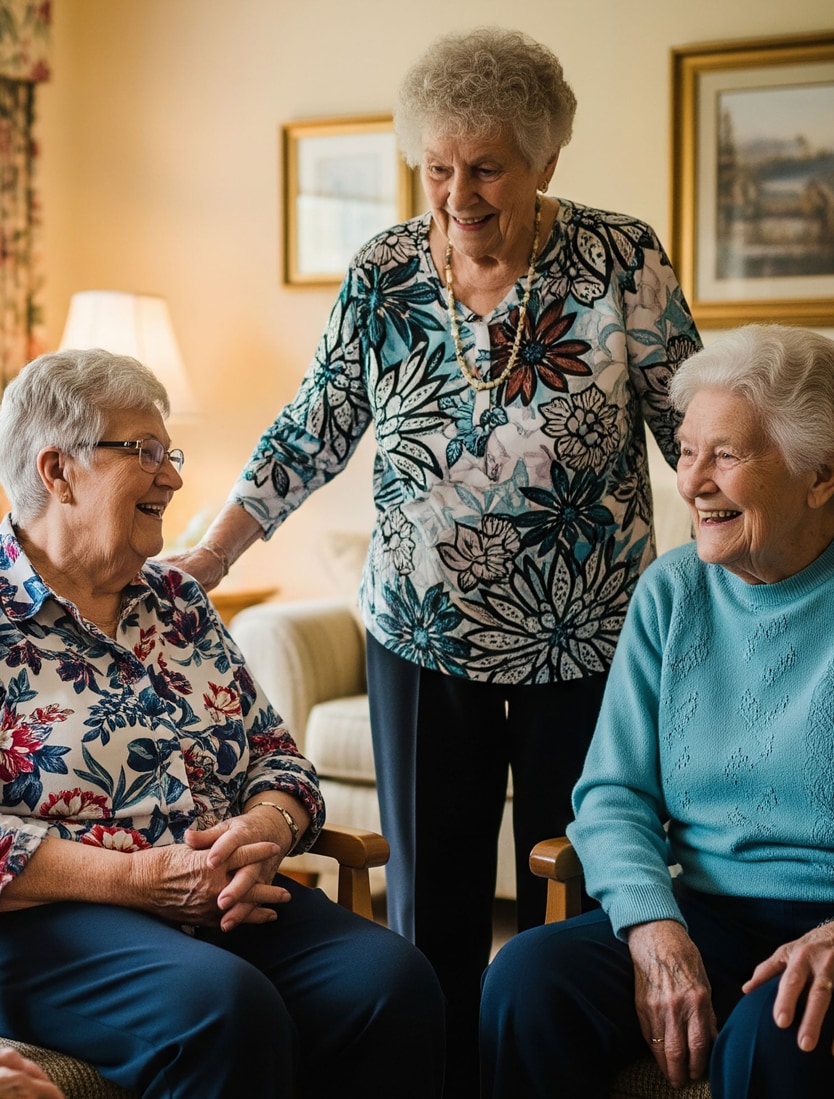
When they see caregivers greeting residents by name, celebrating birthdays, sharing conversations, and taking the time to understand each person’s preferences, they know their loved one is more than just another resident.
Training also gives our caregivers confidence.
When people feel prepared, they are better equipped to respond to challenges, communicate with nurses and families, and provide calm, reassuring support when it matters most. That confidence creates a better experience for everyone.
One of the things that makes me most proud is watching new team members grow. Seeing someone develop from a new caregiver into a trusted leader reminds me why investing in education is so important. The better prepared our caregivers are, the better care our residents receive.
At Home Again, we believe learning never stops. Every resident deserves caregivers who continue growing, asking questions, and looking for ways to provide even better care tomorrow than they did today.
That commitment has been part of Home Again since our first day, and it continues to guide everything we do.
About the Author
Crystal Long has been part of Home Again Assisted Living since its very beginning and has spent more than 13 years helping build the organization’s culture of compassionate, relationship centered care. As Director of Training, Crystal leads the education and development of caregivers across all Home Again communities, providing mentorship, hands on training, and ongoing professional development.
Crystal believes exceptional care starts with exceptional people. She is passionate about helping every caregiver develop the knowledge, confidence, and compassion needed to make a meaningful difference in the lives of residents and their families every day.