Does a Dementia Diagnosis Mean Someone Needs Memory Care?
By Brooke LaChance, DNP, APNP, Chief Medical Officer, Home Again Assisted Living
One of the most common questions I hear from families is, “Mom was just diagnosed with dementia. Does this mean she needs memory care?”
The answer is often no.
A diagnosis of Alzheimer’s disease or another form of dementia does not automatically mean someone needs to move into a memory care community. In fact, many individuals with early or moderate dementia continue to thrive in an assisted living setting for years.
The diagnosis is only one piece of the picture.
What matters most is how dementia is affecting a person’s daily life, safety, communication, and ability to successfully live within the community.
As a Nurse Practitioner, and after more than ten years caring for residents at Home Again, I’ve learned that every person’s journey with dementia is unique. While no two situations are exactly alike, there are several key factors we consider when helping families determine whether assisted living or memory care is the most appropriate setting.
1. Is there a risk of wandering or elopement?
Safety is always our first priority.
Some individuals with dementia become disoriented and may attempt to leave the community without understanding where they are going or how to return. Others continue to recognize their surroundings and have no desire to wander.
If someone is at significant risk of wandering or elopement, a secure memory care environment often provides the safest setting while still allowing them the freedom to move about comfortably.
2. Can they communicate their needs?
Many people living with dementia continue to communicate very effectively. They can tell us when they are hungry, uncomfortable, not feeling well, or simply need assistance.
As dementia progresses, some individuals lose the ability to express those needs. When communication becomes more difficult, caregivers must rely on specialized observation and approaches to understand what a resident may be experiencing.
Memory care teams receive additional training to recognize those nonverbal cues and provide support that meets each resident’s unique needs.
3. Are behavioral symptoms becoming more frequent?
Dementia affects everyone differently.
Some individuals remain calm and socially engaged throughout much of the disease. Others may begin experiencing increased anxiety, agitation, hallucinations, resistance to care, or other behavioral changes that require more specialized support.
When these symptoms begin affecting a person’s well-being or quality of life, memory care may provide an environment better equipped to meet those needs.
4. Can they comfortably interact with others in the community?
Assisted living is a social environment where residents enjoy meals together, participate in activities, and spend time with their neighbors.
We look at whether someone can continue participating in that environment in a way that is comfortable for both them and those around them. If cognitive changes begin making those interactions consistently confusing, distressing, or disruptive, a memory care neighborhood may provide a more supportive setting designed specifically for individuals experiencing similar challenges.
What Makes a Memory Care Environment Different?
When someone reaches the point where memory care is the best fit, the environment itself becomes an important part of their care.
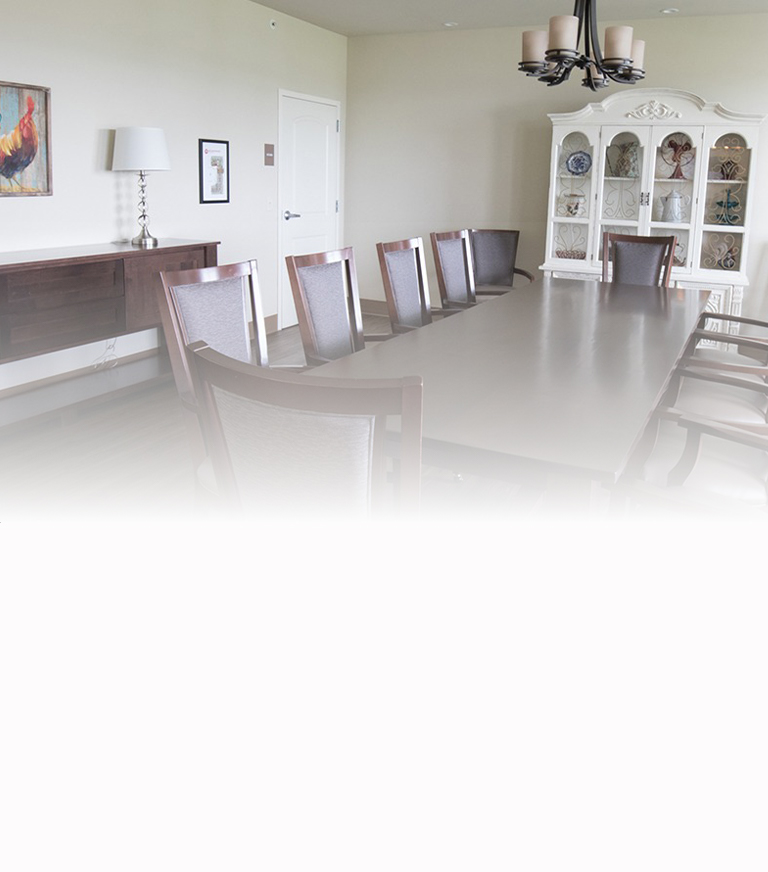
At Home Again, our memory care neighborhoods are intentionally designed to provide a setting that feels comfortable, familiar, and easy to navigate. Rather than caring for large numbers of residents, each neighborhood is home to just 12 to 15 residents. This smaller environment allows our team to truly know each resident while creating a close-knit community where meaningful relationships can develop.
Our memory care neighborhoods also feature secure entrances, allowing residents the freedom to move throughout the community safely while providing families with added peace of mind.
Another important difference is staffing. Residents living with dementia often benefit from additional support throughout the day, which is why our memory care neighborhoods maintain significantly higher staffing ratios than a traditional assisted living setting. This allows caregivers to spend more one-on-one time with residents, respond quickly to changing needs, and provide the individualized attention that memory care requires.
Programming is another important distinction.
Activities in memory care are thoughtfully designed for individuals living with cognitive changes. Music, exercise, sensory activities, reminiscing, and structured daily routines all help reduce anxiety, encourage engagement, and create opportunities for success. Our goal is not simply to keep residents busy. It is to create meaningful moments that bring comfort, purpose, and enjoyment to each day.
There Is No One Size Fits All Answer
One of the most important things I tell families is that a diagnosis alone should never determine where someone lives.
At Home Again, we have many residents living successfully in our assisted living communities who also have a diagnosis of Alzheimer’s disease or another form of dementia. They continue to enjoy an active lifestyle, build friendships, participate in activities, and receive the support they need.
Our goal is never to move someone to memory care before it is necessary. At the same time, we don’t want families waiting until a crisis occurs before exploring that option.
The right decision comes from understanding the individual, not simply the diagnosis. Through ongoing assessments, conversations with families, and close collaboration with physicians, we continually evaluate whether each resident is living in the environment that best supports their safety, independence, dignity, and overall quality of life.
A dementia diagnosis changes certain aspects of care, but it never changes the value of the person receiving it.
Whether someone is thriving in assisted living or would benefit from the additional support of memory care, our commitment remains the same. We strive to provide compassionate, personalized care that allows every resident to live with dignity, purpose, and the highest possible quality of life.
About the Author
Brooke LaChance, DNP, APNP is the Chief Medical Officer at Home Again Assisted Living. Brooke has been been part of the Home Again family for more than ten years, providing clinical leadership across each of our communities. As a Doctor of Nursing Practice and Nurse Practitioner, she works closely with residents, families, physicians, and caregivers to ensure every resident receives compassionate, personalized care that promotes health, dignity, and independence.